10% Off Retail prices for our premium value mini excavators

Why Your Excavator Is Losing Digging Power
Discover why your excavator is losing digging power. Learn effective hydraulic system troubleshooting and maintenance tips to restore peak machine performance.
3/28/20266 min read
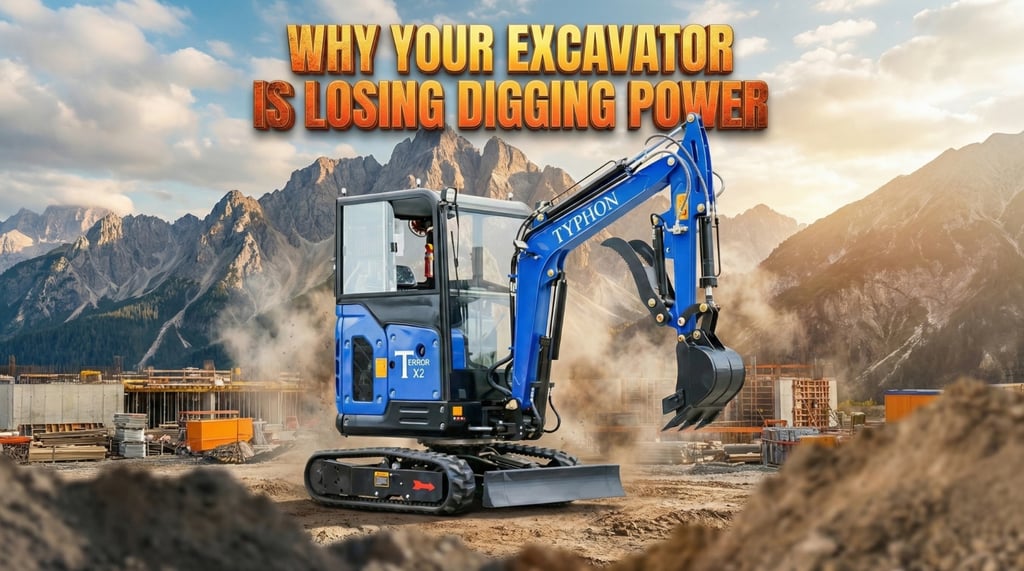

Why Your Excavator Is Losing Digging Power
Your entire job site comes to a complete stop when a machine's performance suddenly declines. You lose important time and money when your excavator is unable to lift large loads or pull through compacted soil. To fulfill tight project deadlines, operators rely solely on the breakout force and lifting capacity of their machines. Frustration soon takes over when that force fades.
The first step to getting your business back on track is figuring out exactly why your excavator is losing digging power. A heavy-duty machine is an intricate system of heavy steel cylinders, precision-machined valves, and pressurized fluids. The system as a whole suffers when even one of these parts malfunctions or performs poorly.
This guide will walk you through the most common reasons behind lost breakout force. We will focus on practical hydraulic system troubleshooting, examining issues like cylinder wear and pump performance problems. By applying these straightforward excavator maintenance tips, you can accurately diagnose the problem, implement a reliable fix, and restore your machinery to peak working condition.
The Critical Role of the Hydraulic System
Before you can fix a problem, you must understand how the system operates. An excavator does not rely on mechanical gears or cables to move the boom and bucket. Instead, it relies on a highly pressurized hydraulic circuit. The engine drives a heavy-duty pump, which pushes hydraulic fluid through a series of valves, hoses, and cylinders.
This pressurized fluid creates the massive physical force required to break through solid rock and dense clay. Therefore, when you experience a loss of power, the root cause almost always traces back to the hydraulic system. You must look for any issue that prevents the system from building or maintaining the correct pressure.
Proper hydraulic system troubleshooting requires a systematic approach. You should start with the simplest, most accessible components before moving on to complex internal teardowns. This methodical process saves you hours of unnecessary labor and prevents you from replacing expensive parts that still have plenty of life left in them.
Identifying Basic Hydraulic Fluid Issues
The lifeblood of your heavy machinery is the hydraulic fluid itself. If the fluid is compromised, the machine cannot generate the necessary power. Checking the fluid should always be your very first troubleshooting step.
Low Fluid Levels
It sounds incredibly simple, but low fluid levels cause severe power loss on job sites every single day. If the hydraulic tank lacks enough fluid, the pump cannot draw the volume necessary to pressurize the system fully. This results in sluggish, weak movements from the boom and stick.
Always check the hydraulic sight glass before starting your shift. Ensure the fluid sits exactly where the manufacturer recommends when the machine is parked in the correct servicing position. If you find yourself constantly topping off the fluid, you have a leak that requires immediate attention.
Fluid Contamination and Degradation
Hydraulic fluid must remain absolutely pristine to function correctly. Dirt, sand, and moisture can easily enter the system through damaged breather caps or during careless maintenance intervals. Once inside, these contaminants wreak havoc on the entire system.
Microscopic dirt particles act like liquid sandpaper. They score the polished internal surfaces of your valves and pumps, creating tiny pathways for pressurized fluid to escape. Furthermore, hydraulic fluid naturally breaks down over time due to extreme heat and pressure. Degraded fluid loses its viscosity, becoming too thin to maintain a tight seal within the internal components. Always adhere to strict fluid replacement schedules.
Cylinder Wear: A Silent Power Drain
The hydraulic cylinders physically translate fluid pressure into mechanical movement. The boom, stick, and bucket each rely on massive steel cylinders to perform their specific actions. When these components suffer damage, your excavator's digging power drops dramatically.
Damaged Internal Seals
Inside every cylinder sits a heavy-duty piston wrapped in specialized rubber or polyurethane seals. These seals prevent high-pressure fluid from bypassing the piston. When these seals harden, crack, or tear, the fluid simply flows right past the piston instead of pushing against it.
This condition is known as internal bypassing. Because the fluid escapes internally, you will not see any drips or leaks on the ground. However, the machine will suddenly feel incredibly weak. If your bucket slowly drops on its own when suspended in the air, you likely have a blown internal seal that requires a complete cylinder rebuild.
Scored Rods and Bent Cylinders
Physical damage to the exterior of the cylinder also causes immediate power loss. If an operator accidentally strikes a rock or a concrete wall with the chrome cylinder rod, the impact can create deep scratches. When the rod retract现实racts, those sharp scratches tear the external wiper seals to pieces.
Once the external seal fails, hydraulic fluid leaks out of the machine, dropping the overall system pressure. In severe cases, lifting loads beyond the machine's rated capacity can actually bend the cylinder rod slightly. A bent rod binds inside the cylinder barrel, creating massive internal friction that starves the machine of its breakout force.
Diagnosing Pump Performance Problems
If you have verified that your fluid is clean and your cylinders are intact, you must turn your attention to the heart of the machine. The main hydraulic pump generates the flow that powers the entire excavator. Pump performance problems are serious issues that require prompt, professional attention.
Cavitation and Aeration
Cavitation occurs when the pump cannot draw enough fluid to meet its required output. This creates a massive vacuum inside the pump, pulling dissolved air out of the fluid and forming tiny vapor bubbles. When these bubbles pass into the high-pressure side of the pump, they collapse with violent force.
These micro-explosions blast tiny craters into the metal components of the pump. You can often identify cavitation by a loud, high-pitched whining noise coming directly from the pump housing. This issue destroys pumps rapidly and drastically reduces the machine's ability to dig. Common causes include clogged suction filters or using the wrong viscosity of hydraulic oil.
Worn Internal Components
Even with perfect maintenance, hydraulic pumps eventually wear out simply due to friction and age. The internal gear teeth or piston shoes slowly lose their tight factory tolerances. As the gaps between the moving parts widen, internal leakage increases significantly.
When a pump suffers from excessive internal wear, it can still move fluid at low pressures. However, the moment you bury the bucket into hard dirt and demand maximum pressure, the fluid slips backward through the worn gaps. The pump simply cannot overcome the physical resistance of the soil. Diagnosing this requires a professional flow meter test to measure the pump's output under load.
Essential Excavator Maintenance Tips
Preventing a loss of digging power is always cheaper and easier than fixing it. Implementing a proactive maintenance strategy protects your equipment investment and ensures your operators have the power they need to perform.
Prioritize Filter Replacements
Your hydraulic filters are your first and best line of defense against system failure. They capture the tiny metal shavings and dirt particles that destroy expensive pumps and valves. Never skip a scheduled filter change.
If you operate in exceptionally dusty or harsh environments, you should replace your filters even more frequently than the manual suggests. Use high-quality OEM replacement filters to ensure maximum filtration efficiency.
Inspect Hoses and Connections Daily
A blown hydraulic hose will stop a machine instantly, but a slow leak drains your power gradually. Train your operators to inspect the entire machine at the start and end of every shift.
Look for any weeping fluid around threaded connections, valve blocks, and cylinder heads. Pay special attention to the flexible rubber hoses that run down the boom and stick. If you spot a hose with a cracked or severely chafed outer jacket, replace it immediately before it bursts under pressure.
Manage Operating Temperatures
Excessive heat destroys hydraulic systems. When the fluid gets too hot, it thins out and loses its lubricating properties. This accelerates wear on the pump and bakes the internal cylinder seals until they become brittle and crack.
Keep your hydraulic oil cooler perfectly clean. Use compressed air to blow out any dust, leaves, or debris trapped in the cooling fins. If the machine's temperature gauge starts creeping toward the red zone during a heavy dig, stop operating immediately and let the system cool down.
Conclusion
Experiencing a sudden loss of excavator digging power is a stressful situation for any contractor. However, by understanding the mechanics of your machinery, you can take control of the situation. Most power issues stem directly from fluid degradation, cylinder wear, or pump performance problems.
By applying proper hydraulic system troubleshooting techniques, you can identify the exact component causing the bottleneck. Do not let minor leaks or strange noises go unchecked. Address these warning signs immediately to prevent catastrophic, expensive failures.
Review your current service records and ensure your fleet is entirely up to date. Implement these proactive excavator maintenance tips into your daily routine. By taking excellent care of your hydraulic systems, you guarantee your machines will deliver the raw power and unwavering reliability your business demands.
TinyExcavator
Find mini excavator suppliers with reasonable prices and variety.
TYPHON Machinery Offices
2522 S Malt Ave. Commerce, CA 90040 United States
© 2025. All rights reserved.