10% Off Retail prices for our premium value mini excavators

Why Hydraulic Cooling Systems Are Crucial for Heavy Machinery
Discover why hydraulic cooling systems are vital for preventing overheating and ensuring your heavy machinery's longevity and peak performance.
3/16/20265 min read
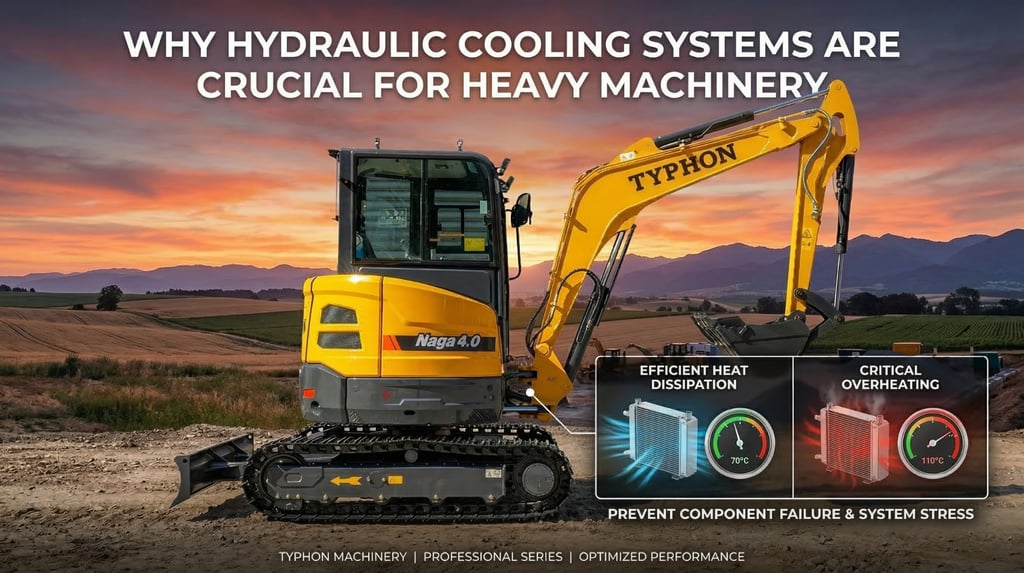
Hydraulic cooling systems play a vital role in keeping heavy machinery operating safely and efficiently under demanding conditions. As hydraulic systems generate significant heat during normal operation, maintaining proper temperature control is essential to protect both the fluid and the critical components that depend on it. Without effective cooling, excessive heat can quickly degrade hydraulic oil, accelerate component wear, and lead to costly equipment failures.
By regulating temperature and preventing overheating, a well-designed hydraulic cooling system helps preserve the integrity of pumps, valves, seals, and other precision parts. This protection allows machinery to maintain consistent performance even during long hours of heavy work. In turn, operators benefit from smoother operation, improved reliability, and reduced downtime on the job site.
Proper maintenance is just as important as the cooling system itself. Regular inspections, clean radiators or coolers, and monitoring hydraulic fluid condition all contribute to keeping temperatures within the optimal range. When these practices are followed, the cooling system can perform its role effectively and extend the service life of the entire hydraulic system.
Ultimately, investing attention in hydraulic cooling is an investment in the durability and productivity of your equipment. With a reliable cooling system in place, heavy machinery can deliver steady power, handle demanding workloads, and continue operating at peak efficiency for years to come.
Understanding Heat Generation in Hydraulic Systems
To appreciate the role of a cooler, one must first understand why hydraulic systems generate heat. Every time hydraulic fluid is forced through pumps, valves, hoses, and motors, it encounters resistance. This resistance, or pressure drop, is a natural part of the system's operation, but it generates friction. This friction, in turn, is converted into thermal energy, or heat.
Intense operations, such as continuous digging in hard ground or rapid cycling of hydraulic attachments, place a massive load on the system. The pump works harder, pressures increase, and fluid moves faster, all of which amplify heat generation. Without an effective way to remove this excess heat, the temperature of the hydraulic oil will rise steadily, leading to a host of serious problems that compromise the entire machine.
An efficient hydraulic circuit is designed to minimize these pressure drops, but some heat generation is unavoidable. The role of the cooling system is to manage this inevitable thermal load, acting as a safeguard that allows the machine to operate at its full potential without destroying itself in the process.
The Critical Role of Temperature Control
Maintaining hydraulic fluid within its optimal operating temperature—usually between 160°F and 180°F (71°C to 82°C)—is the main job of the cooling system. When temperatures rise above this range, the oil’s physical and chemical properties begin to change, which can negatively affect the entire hydraulic system.
As hydraulic oil overheats, its viscosity drops and the fluid becomes thinner. This reduces its ability to properly lubricate critical components such as pumps, motors, and valves. With less effective lubrication, metal parts experience increased friction and wear, which can eventually lead to costly component failures. Thinner oil can also slip past seals more easily, causing leaks that reduce system pressure and overall performance.
Excessive heat also shortens the life of the hydraulic fluid itself. Higher temperatures accelerate oxidation, breaking the oil down and creating sludge and varnish inside the system. These deposits can clog filters, restrict fluid flow, and cause valves to stick, leading to unstable machine operation and more frequent maintenance.
How Hydraulic Cooling Systems Work
A typical hydraulic cooling system is an oil-to-air heat exchanger, functioning much like the radiator in a car. It is a simple yet highly effective device designed for maximum heat dissipation. The process is straightforward but essential for machine health.
Hot hydraulic fluid returning from the work circuit is routed to the cooler before it goes back to the reservoir or tank. The cooler consists of a network of tubes or fins that create a large surface area. As the hot oil flows through these passages, a fan, which can be either engine-driven or hydraulically powered, pulls ambient air across the exterior of the cooler.
This airflow absorbs heat from the surface of the cooler, transferring it away from the hydraulic fluid and into the atmosphere. The now-cooler fluid then returns to the tank, ready to be sent back through the system by the pump. Advanced designs, like the split cooling system found on the excavators ,skid steers,etc. It separates the hydraulic cooling circuit from the engine's cooling circuit. This separation maximizes heat dissipation for both systems, ensuring sustained performance even during prolonged, high-intensity use.
The Benefits of an Efficient Cooling System
A properly sized and functioning hydraulic cooling system delivers tangible benefits that directly impact a contractor's bottom line. These advantages go far beyond simply preventing a machine from overheating on a hot day.
Enhanced Machine Performance and Consistency
A machine operating within its optimal temperature range performs consistently. The hydraulic functions remain crisp, responsive, and powerful throughout the workday. When the oil gets too hot, operators often notice a "fading" of power and a sluggish response from the controls. An efficient cooler prevents this thermal degradation, allowing the operator to maintain high productivity from the start of the shift to the end.
Extended Component and Fluid Lifespan
By keeping the hydraulic oil at the correct temperature, the cooling system is the first line of defense against premature wear. It ensures that pumps, motors, cylinders, and valves are always protected by a lubricating film of the proper viscosity. This directly translates to a longer service life for these critical and expensive components. It also protects the oil itself from thermal breakdown, extending the intervals between fluid changes and reducing maintenance costs.
Increased Uptime and Reliability
The highest cost of a component failure is not the repair bill itself, but the unscheduled downtime it creates. A crew of workers standing idle while a machine is down can cost a business thousands of dollars per day in lost revenue and labor expenses. An effective hydraulic cooling system is a key part of a preventative maintenance strategy, significantly reducing the risk of heat-related failures and keeping your equipment on the job site, generating income.
Maintenance and Care for Your Cooling System
To perform its job effectively, the hydraulic cooler itself requires regular attention. Its location at the front of the machine makes it susceptible to collecting dust, debris, grass, and dirt.
The most important maintenance task is to keep the cooler fins clean. A clogged cooler cannot dissipate heat efficiently, as the layer of debris acts as an insulator. Using compressed air (blowing from the clean side out) or a pressure washer with reduced pressure, operators should regularly clean the cooler, especially when working in dusty or high-debris environments.
During daily walk-around inspections, operators should also check for any leaks in the cooler's hoses or fittings and look for any physical damage to the cooling fins. A small leak can quickly drain a significant amount of hydraulic fluid, while bent fins can restrict airflow. Addressing these minor issues promptly prevents them from escalating into major problems.
Conclusion
The hydraulic cooling system is a vital component that plays a foundational role in the overall health and performance of heavy machinery. It is the guardian of the hydraulic system, ensuring that the lifeblood of the machine—its oil—remains in optimal condition to lubricate, cool, and transmit power effectively. By preventing overheating, an efficient cooler protects critical components from accelerated wear, extends fluid life, and ensures the machine delivers consistent, reliable power. For owners of high-performance equipment recognizing and maintaining the health of the hydraulic cooling system is a direct investment in productivity, reliability, and long-term profitability.
TinyExcavator
Find mini excavator suppliers with reasonable prices and variety.
TYPHON Machinery Offices
2522 S Malt Ave. Commerce, CA 90040 United States
© 2025. All rights reserved.