10% Off Retail prices for our premium value mini excavators

Top 7 Construction Machines Every Contractor Should Know
Discover the top 7 construction machines every contractor should know. Learn what makes this essential construction equipment vital for your next project.
4/6/20267 min read
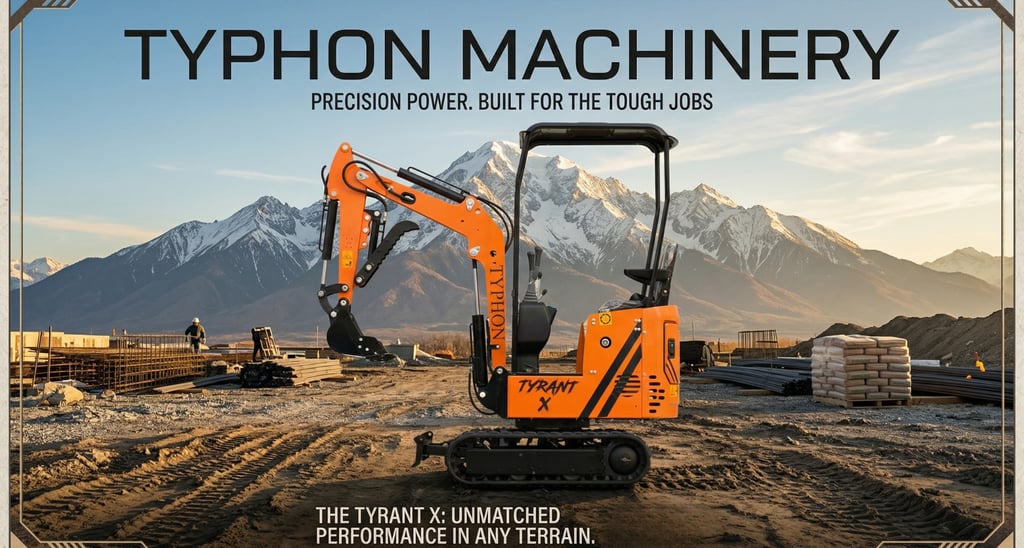
Stepping onto an active job site reveals a massive fleet of heavy iron moving earth and materials with incredible precision. You need the right tools to turn a complex architectural blueprint into a profitable reality. Choosing the incorrect machinery drains your project budget and delays your completion timeline. We want to empower you with the knowledge needed to build a highly capable and reliable equipment fleet.
To help you navigate the heavy machinery market, we have identified the best construction machines that form the backbone of the industry. This guide explores the unique capabilities of seven distinct machines, detailing exactly how they drive productivity. You will learn what each machine does, discover its best use cases, and understand why professionals rely on them daily.
This deep dive serves as a vital companion piece to our main pillar resource. We highly recommend reading our Complete Guide to Construction Equipment for Beginners to grasp the core concepts of engine power, hydraulic flow, and operating capacities. Now, let us examine the top construction machines that will elevate your contracting business to the next level.
1. The Mini Excavator
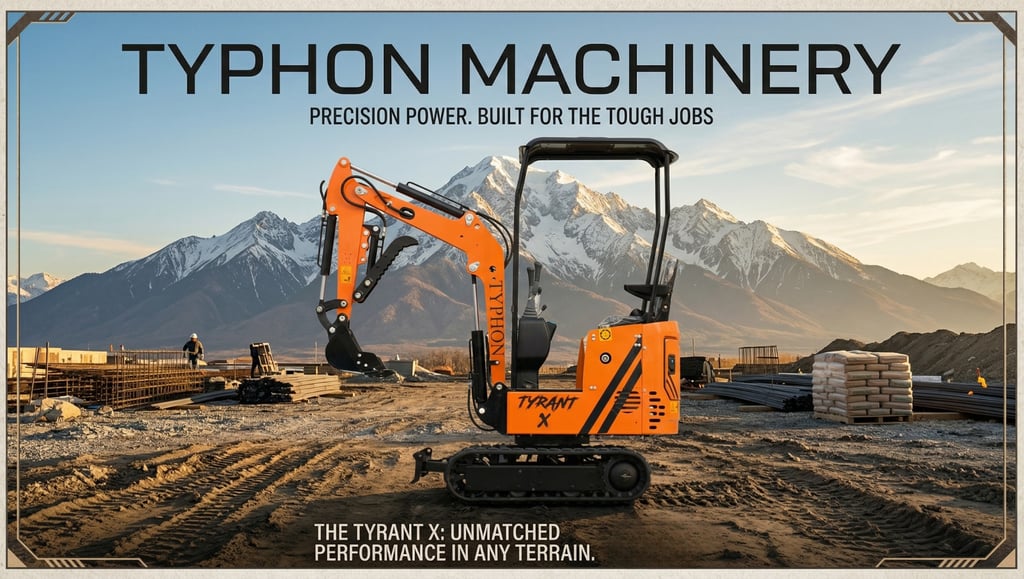
Excavators stand as the undisputed heavyweights of the earthmoving sector. You will recognize them by their continuous tracks, fully rotating cabin, and massive articulating boom arm. These machines deliver unmatched digging power and raw lifting capacity to the job site.
What The Excavator Does
An excavator uses a high-pressure hydraulic system to drag a heavy steel bucket through dense earth and rock. The operator sits inside a reinforced cab that can rotate a full 360 degrees. This rotation allows the machine to dig materials from the front and deposit them safely into a dump truck parked entirely behind it. The tracks distribute the machine's massive weight, allowing it to traverse muddy, uneven terrain without sinking.
Best Use Cases for Excavators
Contractors deploy excavators for heavy foundational digging, deep trenching, and massive site grading operations. They excel at preparing commercial building footprints and digging out residential basements. When equipped with a hydraulic breaker attachment, they become incredibly effective demolition tools capable of shattering old concrete structures.
Why Excavators Are Popular
Professionals value excavators for their incredible versatility and raw power. They offer superior operator visibility and precise joystick controls. Because they can perform heavy lifting, digging, and material handling without constantly moving their tracks, they remain highly efficient in tightly restricted work zones.
2. The Agile Skid Steer Loader
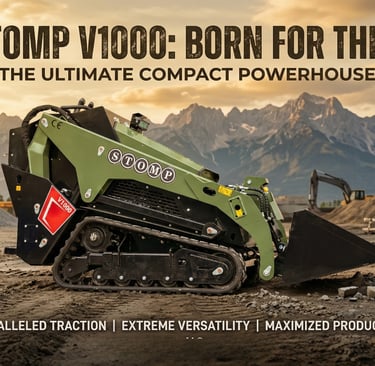
The skid steer loader is arguably the most versatile piece of essential construction equipment you can own. These compact machines feature four wheels that lock and drag to steer, allowing them to turn completely around within their own footprint. This extreme agility makes them a staple on nearly every professional job site.
What The Skid Steer Loader Does
A skid steer loader functions primarily as a rapid material handler and grading tool. Two hydraulic lift arms run alongside the operator's cabin, connecting to a front-mounted attachment plate. The machine uses its powerful engine to push a front bucket into piles of loose dirt, gravel, or construction debris. The operator then lifts the material and quickly transports it across the work area.
Best Use Cases for Skid Steers
You will find skid steers cleaning up heavy demolition debris, loading dump trucks, and performing final site grading. Their compact size allows them to pass safely through standard residential fence gates. This makes them perfect for backyard landscaping projects, driveway preparations, and moving heavy pallets of block around tight commercial developments.
Why Skid Steers Are Popular
Contractors love skid steers because of their vast attachment ecosystem. You can swap the standard dirt bucket for a hydraulic auger, a trenching wheel, or a set of pallet forks in a matter of minutes. This ability to transition seamlessly between entirely different tasks makes the skid steer an incredibly cost-effective investment.
3. The Efficient Wheel Loader
When you need to move massive volumes of material over hard surfaces quickly, the wheel loader is your ultimate solution. These towering machines feature massive tractor tires and an enormous front-mounted bucket. They bring incredible speed and carrying capacity to large-scale operations.
What The Wheel Loader Does
A wheel loader scoops, carries, and loads loose materials with unmatched efficiency. The machine features an articulated steering joint in the center of its chassis. This joint allows the front half of the machine to pivot independently, providing a surprisingly tight turning radius for such a massive vehicle. The powerful hydraulic arms lift heavily loaded buckets high into the air to clear the side walls of massive commercial dump trucks.
Best Use Cases for Wheel Loaders
Wheel loaders dominate large commercial building sites, highway construction projects, and municipal waste management facilities. They excel at moving massive piles of crushed gravel, sand, and topsoil across wide-open spaces. You will frequently see them loading transport trucks rapidly to keep the supply chain moving without interruption.
Why Wheel Loaders Are Popular
The speed and mobility of wheel loaders make them incredibly popular among heavy highway contractors. Unlike tracked machines, wheel loaders can travel quickly across finished asphalt without causing surface damage. They reduce the total number of loading cycles required to fill a truck, drastically cutting down on overall job site labor hours.
4. The Versatile Backhoe Loader
The backhoe loader combines the capabilities of three different machines into one highly functional unit. It resembles a heavy-duty farm tractor but features a loader bucket on the front and an articulating digging arm on the back. This unique design provides contractors with a highly adaptable, self-contained workhorse.
What The Backhoe Loader Does
A backhoe loader can perform heavy material handling and precise trenching simultaneously. The operator can use the front bucket to push dirt and load trucks, then swivel their seat 180 degrees to operate the rear digging arm. Heavy steel outriggers deploy from the rear chassis to stabilize the machine perfectly while the backhoe digs deep trenches.
Best Use Cases for Backhoe Loaders
Municipal utility crews and local plumbers rely heavily on backhoe loaders for their daily operations. They are the perfect tool for digging out broken water mains, laying new sewer pipes, and backfilling the trenches once the repairs are complete. Their ability to drive legally on public roads makes them ideal for emergency utility repairs across town.
Why Backhoe Loaders Are Popular
Contractors appreciate the backhoe loader because it eliminates the need to tow multiple machines to a single job site. You get the benefits of a wheel loader and a compact excavator in one single package. This consolidation reduces your equipment transportation costs and vastly simplifies your daily logistical planning.
5. The Unstoppable Bulldozer
Bulldozers represent the ultimate symbol of brute force in the construction industry. These heavy tracked machines feature a massive steel blade mounted to the front chassis. When you need to push a mountain of earth out of the way, the bulldozer answers the call with absolute authority.
What The Bulldozer Does
A bulldozer uses its immense operating weight and wide steel tracks to generate massive forward traction. The operator lowers the front blade to peel away the top layers of earth, pushing tons of dirt, rock, and debris forward. Many dozers also feature a heavy steel ripper claw attached to the rear. This claw tears through deeply compacted soil and solid clay, loosening it up for the front blade to push away easily.
Best Use Cases for Bulldozers
You must deploy a bulldozer during the initial land-clearing phase of any major development. They clear heavy brush, push down mature trees, and strip away soft topsoil to reveal the hard clay beneath. They are also essential for rough grading massive commercial lots, creating the foundational slopes required for proper water drainage.
Why Bulldozers Are Popular
The bulldozer is popular because nothing else can match its raw pushing power. They perform the heaviest, most grueling earthmoving tasks without suffering mechanical failures. By utilizing advanced GPS grading technology, modern dozers also allow operators to achieve perfect foundational elevations with incredible speed.
6. The Precision Motor Grader
While bulldozers handle the rough, heavy earthmoving, motor graders handle the absolute final precision work. These long, distinctively shaped machines feature an adjustable blade suspended underneath the center of the chassis. They bring a level of surgical accuracy to the dirt-moving process.
What The Motor Grader Does
A motor grader creates perfectly flat surfaces and highly specific slopes. The operator controls the angle, pitch, and height of the center-mounted blade to shave away tiny increments of dirt and gravel. The machine features multiple axles, ensuring the grading blade remains perfectly stable even as the front tires roll over uneven terrain.
Best Use Cases for Motor Graders
Road construction completely depends on motor graders. Before paving crews can lay asphalt, the grader must create a perfectly smooth, slightly crowned gravel base. They also maintain miles of unpaved county dirt roads, cutting away deep ruts and pushing loose gravel back into the center of the driving lanes.
Why Motor Graders Are Popular
Engineers and project managers demand absolute perfection when pouring concrete or laying asphalt. Motor graders deliver this exact precision, preventing water from pooling on finished surfaces. The ability to create flawless foundational grades makes them one of the top construction machines in the paving industry.
7. The Dedicated Trencher
Digging hundreds of feet of narrow trenches with an excavator takes entirely too much time. When you need to bury utilities efficiently, you need a machine specifically designed for that exact purpose. Trenchers cut through the earth like a massive chainsaw, leaving a perfect channel behind them.
What The Trencher Does
A trencher utilizes a heavy steel chain fitted with hardened digging teeth. The machine lowers this spinning chain directly into the earth, cutting a perfectly straight, narrow trench while depositing the excavated dirt neatly along the side. They come in various sizes, ranging from small walk-behind units to massive ride-on machines.
Best Use Cases for Trenchers
Telecommunication companies and electrical contractors use trenchers to bury fiber optic cables and high-voltage conduits. Landscaping companies utilize smaller trenchers to install extensive underground irrigation systems. They excel in hard, rocky soils where standard excavator buckets would struggle to break the surface.
Why Trenchers Are Popular
Trenchers maximize job site efficiency by automating a highly repetitive task. They dig much faster than a standard excavator and remove far less dirt. This narrower trench means you spend significantly less time and money backfilling the hole once the utility lines are securely in the ground.
Conclusion
Equipping your crew with the best construction machines guarantees a massive increase in daily productivity and project profitability. By understanding exactly what excavators, loaders, dozers, and graders do, you can strategically assign the right tool to the right phase of your project. This professional approach protects your machinery from unnecessary wear and tear.
We invite you to review your upcoming project bids and evaluate your current heavy machinery capabilities. Identify where your crew struggles and where manual labor currently slows down your progress. By investing in this essential construction equipment, you will establish a highly respected, deeply reliable contracting business capable of dominating your local market.

TinyExcavator
Find mini excavator suppliers with reasonable prices and variety.
TYPHON Machinery Offices
2522 S Malt Ave. Commerce, CA 90040 United States
© 2025. All rights reserved.