10% Off Retail prices for our premium value mini excavators

How to Choose the Best Mini Excavator for Small Property Projects
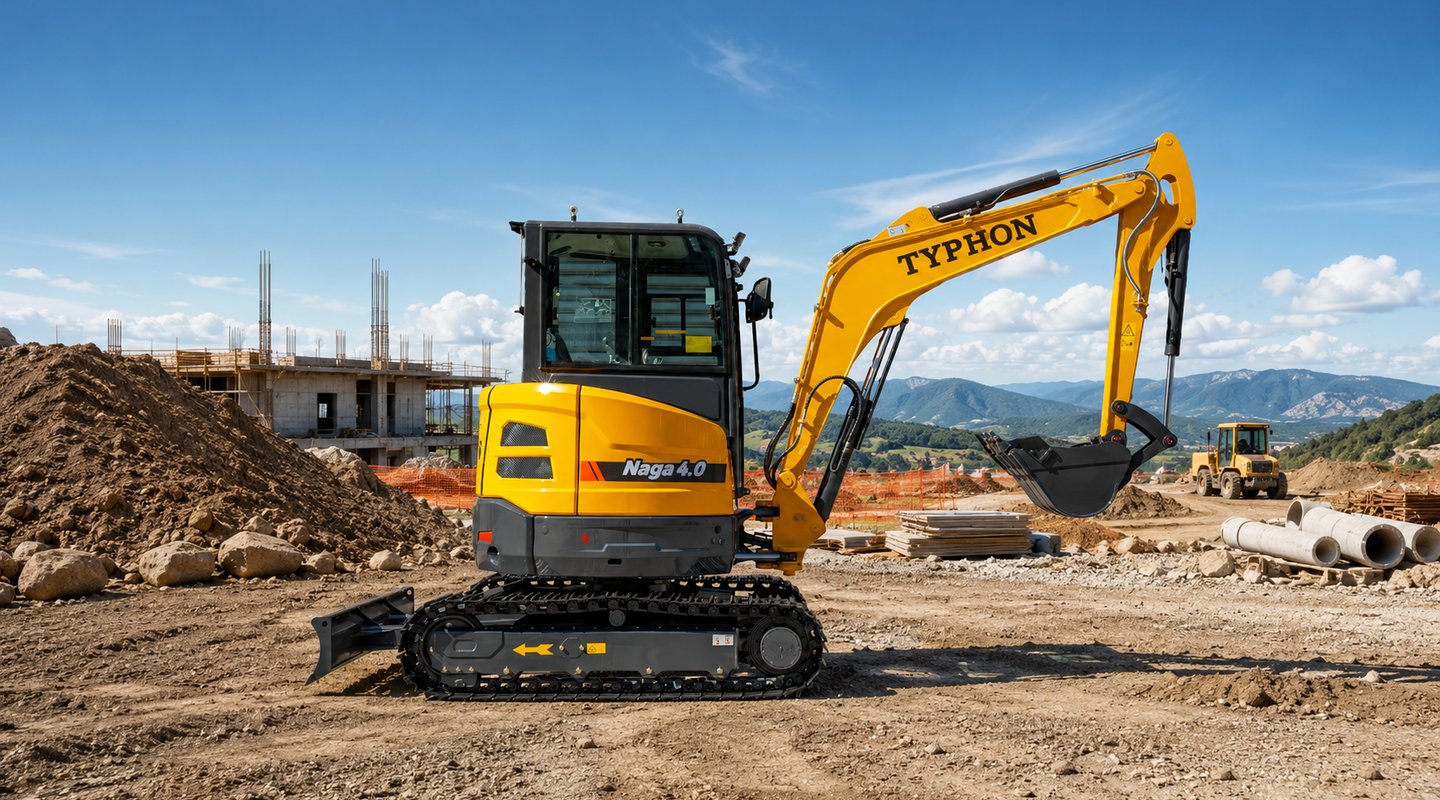
Owning a large piece of land, managing a hobby farm, or running a boutique landscaping operation eventually brings you to a familiar crossroads: manual labor takes too long, but full-sized heavy machinery is too destructive for the landscape. For managing acreage, digging utility trenches, or clearing brush, a compact excavator bridges the gap. However, finding the best mini excavator for small property work requires balancing machine capability with the physical limitations of your land.
6/12/20265 min read
Owning a large piece of land, managing a hobby farm, or running a boutique landscaping operation eventually brings you to a familiar crossroads: manual labor takes too long, but full-sized heavy machinery is too destructive for the landscape. For managing acreage, digging utility trenches, or clearing brush, a compact excavator bridges the gap. However, finding the best mini excavator for small property work requires balancing machine capability with the physical limitations of your land.
Buying or renting the wrong equipment usually results in two specific headaches: you either end up with an undersized machine that struggles to lift rocks and roots, or a heavy machine that tears up established turf and gets wedged between your fence posts. Choosing the right fit requires looking past shiny brochures and focusing on the physical realities of your specific jobsite.
Why Property Size and Ground Conditions Dictate Your Machine Choice
The layout of your property is the first major filter you should use to narrow down your options. Before looking at horsepower or digging depth, you need to measure the tightest access points on your land. If you have to pass through standard garden gates, work between mature trees, or navigate tight pathways between outbuildings, a standard 3-to-5-ton machine will not fit. Many property owners find that a micro or mini excavator with an adjustable undercarriage—allowing the tracks to retract to less than 40 inches wide—is the only way to access backyard projects.
Ground conditions are equally critical. If your property features soft topsoil, manicured lawns, or septic fields, a heavy machine with steel tracks will cause significant surface damage. For residential properties and established acreage, rubber tracks are generally the standard choice. They distribute the machine's weight evenly, reducing ground pressure and minimizing the risk of leaving deep ruts in your grass. On the other hand, if your land is rocky, steep, or littered with sharp shale, rubber tracks can slice easily, making steel tracks or heavy-duty hybrid tracks a more durable choice despite the ground disturbance.
Navigating the Weight Classes: How Small Should You Go?
Mini excavators are generally categorized by their operating weight, and understanding these classes helps you avoid overpaying for power you will never use. For small property maintenance, machines generally fall into three practical brackets:
The sub-2-ton class includes micro excavators that weigh between 2,000 and 4,000 pounds. These are highly nimble machines that can easily fit on a standard utility trailer towed by a half-ton pickup truck. They are excellent for digging shallow trenches, planting trees, and working in tight spaces right next to structural foundations. Their limitation is power; they will struggle with large tree stumps or heavy boulder retaining walls.
The 2-to-3.5-ton class is often the sweet spot for a typical 2-to-10-acre property. These machines offer a digging depth of roughly 8 to 10 feet and have enough hydraulic breakout force to pop out moderate tree roots and move decent-sized rocks. They remain light enough to transport without a commercial driver's license in most jurisdictions, provided your truck and trailer setup is rated correctly.
Machines over 4 tons enter the commercial landscaping and light construction territory. If your property needs major land clearing, extensive road building, or deep pond excavation, you will appreciate the extra stability and reach. However, for routine maintenance, these machines are often too bulky, require larger tow vehicles, and will leave a noticeable footprint on your soil.
Tailoring the Machine to Common Acreage Tasks
To find the best mini excavator for small property use, you must match the machine’s specifications to the actual chores you plan to perform. If your primary goal is running water lines, burying electrical conduit, or installing drainage systems, look closely at the machine’s maximum dump height and trenching visibility. Digging a trench is straightforward, but lifting a bucket full of wet clay high enough to clear a dump truck or a high-sided utility trailer requires adequate reach.
Land clearing demands a different set of priorities. If you are removing invasive brush, clearing thickets, or pulling up old fence posts, hydraulic flow matters more than raw digging depth. The auxiliary hydraulic system powers attachments like brush cutters and thumbs. A machine with weak auxiliary flow will stall out when running demanding hydraulic attachments, turning a high-end tool into a slow, frustrating bottleneck.
For properties with sloping terrain or hillside access, machine stability becomes a safety priority. Conventional tail-swing models feature a counterweight that extends past the tracks when the cab rotates. This design offers excellent lifting capacity over the side of the machine. Zero tail-swing models, where the housing stays within the width of the tracks during rotation, are much safer next to buildings and fences, but they can feel slightly more tipsy on uneven hillsides when lifting heavy loads at full reach.
Beyond the Bucket: Choosing Essential Attachments for Property Work
An excavator is only as versatile as the tools you pin to the end of the boom. If you buy a machine with only a standard digging bucket, you are missing out on the true utility of a compact machine on a private estate.
For property owners, a hydraulic or mechanical thumb is non-negotiable. Without a thumb, an excavator can only scoop material. With a thumb, the machine turns into a giant mechanical hand capable of picking up logs, placing landscape boulders, grabbing bundles of brush, and pulling old posts out of the ground.
If your land management involves fencing or orchard planting, an auger attachment saves weeks of manual labor. Instead of wrestling a handheld power auger through rocky soil, the excavator's hydraulic system drives the bit down with steady downward pressure. For overgrown pastures and trail maintenance, a flail mower or brush cutter attachment transforms your excavator into a long-reach clearing tool that can handle steep ditches and overhanging limbs that a traditional tractor cannot reach.
Transport, Storage, and Maintenance Reality Checks
Owning a mini excavator involves more than just operating it on the job; you also have to live with it. Before purchasing, consider how you will move the machine when it needs service or if you want to help a neighbor down the road. A machine that weighs 6,000 pounds requires a heavy-duty trailer and a truck with a matching brake controller and towing capacity. Always calculate the combined weight of the trailer, the excavator, and any extra attachments before assuming your current truck can handle the load.
Storage is another factor that often gets overlooked. While commercial machines sit outside on jobsites, a private owner usually wants to protect their investment from the elements. Check the overall canopy or cab height of the machine class you are looking at. Many mini excavators feature a foldable Roll-Over Protective Structure (ROPS) that allows the machine to slip under a standard garage door or machine shed opening, while enclosed cab models with air conditioning require dedicated high-clearance storage.
Finally, consider basic daily maintenance. A machine that is difficult to grease, fuel, or check fluids on is a machine that will eventually be neglected. Look for models with wide-opening service doors that give you clear access to the engine oil dipstick, air filter, fuel water separator, and hydraulic fluid sight glass. If you have to remove three panels just to check the coolant level, routine pre-start inspections will quickly become a chore you skip.
Final Checklist: Making Your Decision
Before signing a bill of sale or putting down a rental deposit for a property maintenance machine, run through these practical parameters to ensure you are getting the right tool for the job:
Access constraints: Measure your narrowest gates, walkways, and tree clearances against the overall width of the machine.
Towing limits: Verify the actual towing and braking capacity of your truck and trailer setup, including fuel and attachments.
Hydraulic capacity: Check the auxiliary gallons per minute (GPM) if you plan to run high-demand tools like brush mowers or augers.
Track material: Opt for rubber tracks to protect lawns and driveways, or steel tracks if you are working strictly in sharp rock or heavy clearing areas.
Tail-swing configuration: Decide if you need the tight-space safety of a zero tail-swing model or the added lifting leverage of a conventional counterweight.
Taking the time to match the machine to your terrain, your tow vehicle, and your primary tasks ensures you end up with a reliable workhorse that simplifies your property management rather than creating a new logistical problem to solve.
TinyExcavator
Find mini excavator suppliers with reasonable prices and variety.
TYPHON Machinery Offices
2522 S Malt Ave. Commerce, CA 90040 United States
© 2025. All rights reserved.