10% Off Retail prices for our premium value mini excavators

How Jobsite Layout Optimization Saves Fuel
Discover how strategic site planning and jobsite layout efficiency fuel savings can drastically reduce your construction equipment operating costs.
5/2/20265 min read
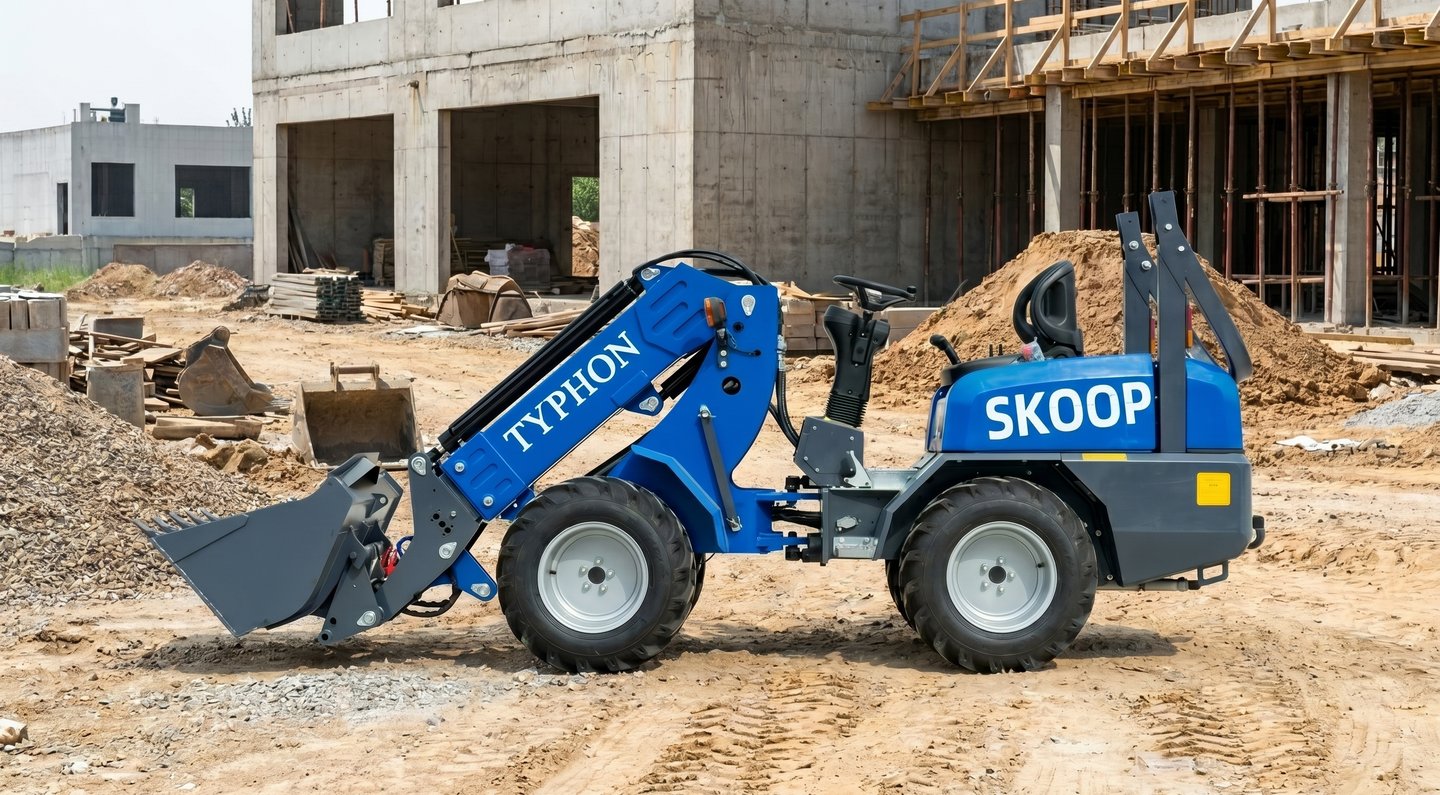

Fuel is still one of the biggest and most unpredictable costs for any construction project. Contractors are always looking for more efficient machines and teaching operators how to use the throttle correctly, but they often miss a huge source of wasted diesel. The way your construction site is set up has a direct effect on how much fuel your fleet uses every day.
When operators have to drive in circles to get around messy stockpiles, crowded haul roads, and scattered staging areas, they waste fuel. Every extra mile you drive and every minute you spend sitting in traffic takes money directly out of your project's profit margin. We know that you need to be completely efficient in order to stay competitive and give your clients great results.
This guide explains how strategic jobsite planning drastically reduces your daily diesel consumption. You will learn how to optimize material flow, establish highly efficient traffic patterns, and minimize the unnecessary movement of your heavy equipment. By implementing these structural strategies, you will achieve significant jobsite layout efficiency fuel reductions and protect your working capital.
The Hidden Cost of Poor Site Planning
Before heavy machinery even arrives on site, the profitability of a project is heavily influenced by the initial layout blueprint. A poorly planned jobsite forces equipment to work harder and travel further than necessary. This structural inefficiency creates a compounding financial drain that lasts for the entire duration of the project.
When material staging areas sit far away from the primary excavation zones, your wheel loaders and dump trucks face long, continuous travel cycles. Long travel cycles require high engine RPMs for extended periods, consuming massive amounts of diesel. Furthermore, disorganized sites frequently lead to traffic bottlenecks.
If two articulated dump trucks cannot pass each other safely on a narrow haul road, one must stop and idle while the other maneuvers. This constant stopping, idling, and accelerating burns significantly more fuel than maintaining a steady, continuous speed. Recognizing these hidden drains is the first step toward building a more profitable operation.
Strategic Equipment and Material Placement
The foundation of fuel conservation lies in strategic proximity. You must organize your site so that materials, support equipment, and primary workstations remain closely connected. Strategic placement eliminates the wasted fuel associated with transit and transition times.
Centralizing High-Traffic Zones
Every construction project features high-traffic zones, such as aggregate stockpiles, fueling stations, and daily equipment parking areas. Placing these critical zones on the far edge of a massive project site forces every machine to make a long commute at the start and end of every shift.
Instead, centralize these high-traffic hubs as much as the local topography allows. Position your fueling tanks and daily maintenance staging areas near the active work zones. When a bulldozer needs diesel mid-shift, it should only travel a short distance to refuel. Centralizing these points slashes the wasted travel time and directly improves your jobsite layout efficiency fuel metrics.
Positioning Stockpiles for Direct Access
Material handling represents a massive portion of your total fuel expenditure. How you position your incoming dirt, gravel, and pipe directly affects your loader and excavator fuel efficiency.
Always stage incoming materials as close to their final installation point as physically possible. If your crew is laying underground utilities, stage the pipe segments linearly along the trench route rather than in a single massive pile across the site. This allows the excavator to simply reach over, grab the material, and install it without tramming back and forth.
Minimizing Unnecessary Machine Movement
The golden rule of fuel conservation is that heavy equipment should only move when it is actively performing profitable work. Every time a machine travels empty or moves the same dirt twice, you lose money. Optimizing your layout actively prevents this unnecessary movement.
Reducing Double-Handling of Materials
Double-handling occurs when an operator moves a pile of dirt to a temporary staging area, only to move that exact same dirt to its final destination later. This practice doubles the fuel consumed to move a single cubic yard of material.
You eliminate double-handling through aggressive, forward-thinking site planning. Designate specific, permanent zones for spoil piles before the first bucket hits the dirt. Ensure these areas have enough capacity to hold the material until the haul trucks arrive to remove it. When your operators touch the material exactly once, you cut your material handling fuel costs in half.
Optimizing the Haul Roads
Haul roads serve as the vital arteries of your earthmoving operations. Their design and upkeep dictate how efficiently your trucks can move payloads. A poorly designed haul road with sharp turns and steep inclines forces trucks to brake heavily, downshift, and burn massive amounts of fuel to regain momentum.
Design your haul roads with broad, sweeping curves that allow drivers to maintain a consistent, safe speed. Furthermore, maintain the road surface meticulously. A motor grader should frequently blade the haul roads to remove ruts and soft spots. Trucks driving on smooth, compacted dirt experience far less rolling resistance, which significantly lowers their engine load and reduces fuel consumption.
Establishing Clear Traffic Patterns
Congestion kills jobsite efficiency. When multiple machines operate in a confined area without clear right-of-way rules, operators must constantly stop, wait, and reposition. This erratic movement burns excess diesel and severely increases the risk of collisions.
Implementing One-Way Routing
Whenever site space permits, establish strict one-way traffic patterns for your haul trucks and delivery vehicles. One-way routing eliminates the need for vehicles to stop and yield to oncoming traffic.
When trucks can enter the loading zone, receive their payload, and exit through a separate route, they maintain their forward momentum. This continuous flow prevents heavy braking and accelerating. The engine remains operating at a highly efficient, steady RPM, which is the ultimate goal of jobsite layout efficiency fuel management.
Creating Dedicated Turnaround Zones
If one-way routing is impossible due to site constraints, you must build adequate turnaround zones. Dump trucks and semi-trailers require massive turning radiuses. If they must execute complex three-point turns in tight spaces, they waste fuel and create temporary roadblocks for other equipment.
Designate wide, easily accessible turnaround areas near the loading and dumping zones. Ensure these areas remain completely free of parked vehicles and material pallets. Giving your operators the space they need to maneuver fluidly keeps the entire site moving safely and profitably.
The Financial Impact of Smart Logistics
Taking the time to engineer a highly efficient site layout requires upfront effort, but it delivers an immediate and continuous return on investment. The fuel you save each day directly increases your net profit margin for the entire contract.
When you reduce the total travel distance for your fleet, you also reduce the wear and tear on your equipment undercarriages and tires. You extend your preventive maintenance intervals because the engines run for fewer total hours. This holistic approach to efficiency lowers your overall operating costs, allowing you to submit highly competitive bids on future projects.
We encourage project managers and site superintendents to walk the site collaboratively before mobilization. Map out the material flow, identify the most efficient haul routes, and commit to maintaining those pathways. A well-organized site looks highly professional to your clients and performs brilliantly on your balance sheet.
Conclusion
Securing maximum profitability requires taking total control over your daily operating expenses. Fuel waste is not an inevitable reality of construction; it is a variable you can control through strategic, disciplined planning. The physical layout of your jobsite serves as the foundation for your fleet's overall productivity.
By centralizing your staging areas, establishing clear traffic patterns, and ruthlessly eliminating the double-handling of materials, you take command of your fuel budget. Implement these structural strategies to achieve powerful jobsite layout efficiency fuel reductions. Take the time to map out your next project with logistics in mind, and you will ensure your heavy equipment operates with the relentless, profitable efficiency your business demands.
TinyExcavator
Find mini excavator suppliers with reasonable prices and variety.
TYPHON Machinery Offices
2522 S Malt Ave. Commerce, CA 90040 United States
© 2025. All rights reserved.