10% Off Retail prices for our premium value mini excavators

Fuel Monitoring Systems: Do They Really Save Money?
Discover how fuel monitoring equipment tracks diesel usage and cuts costs for your heavy construction fleet. Learn how to protect your project profit margins.
4/18/20266 min read
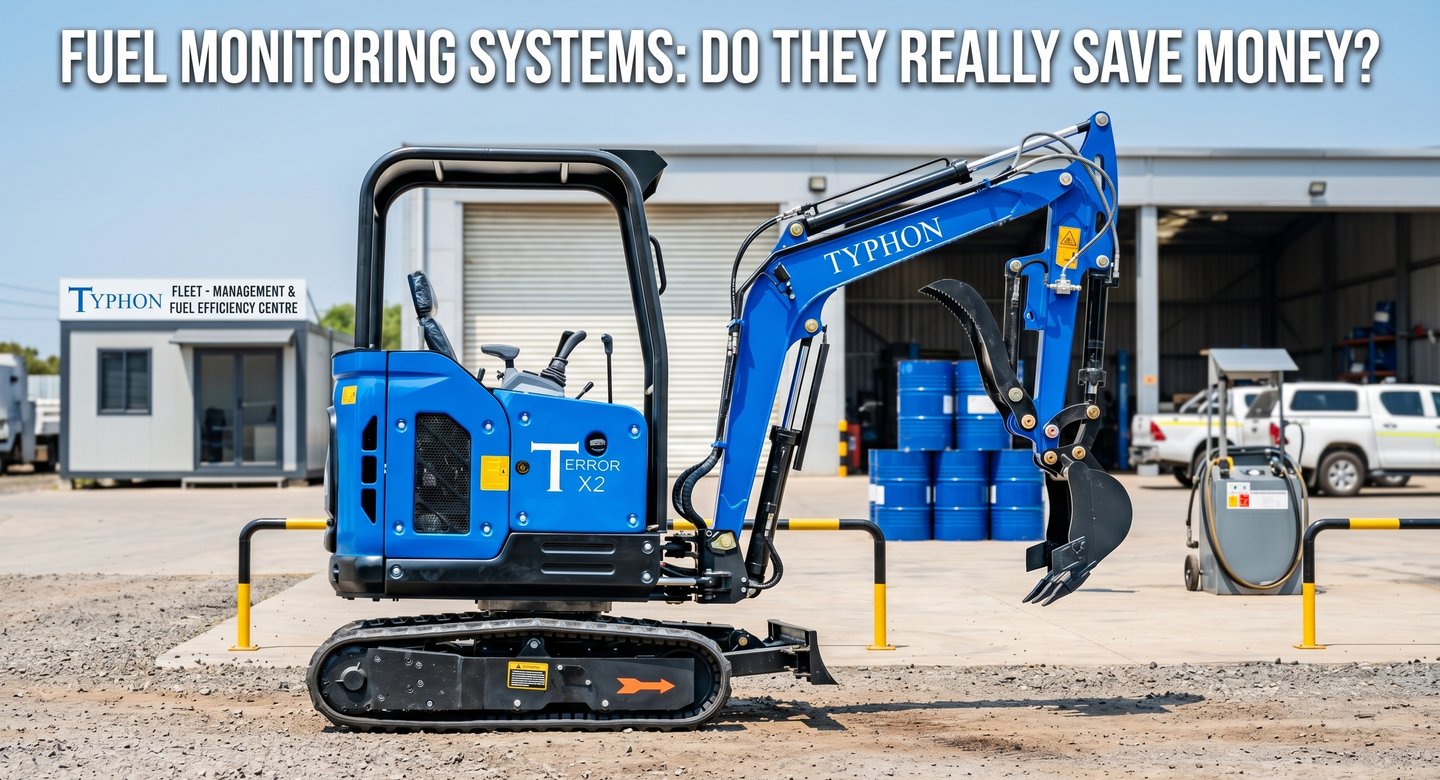
Fuel expenses consistently rank among the highest operational costs for any heavy construction fleet. When diesel prices rise unexpectedly, your tightly calculated project margins take an immediate hit. Many contractors view these massive fuel bills as a stubborn, unavoidable reality of moving dirt and building infrastructure. However, accepting these costs without a fight leaves significant money on the job site.
You cannot properly manage what you fail to measure. If you rely on manual fuel logs and end-of-month receipts, you operate completely in the dark. You have no idea if your machines burn fuel efficiently or if operators waste diesel through bad habits. Implementing professional fuel monitoring equipment removes the guesswork from your daily operations.
This guide explores the exact financial benefits of tracking your fleet's fuel consumption. We will outline how these advanced systems capture real-time data, prevent internal theft, and drastically reduce idle time. By the end of this post, you will understand exactly how tracking your fuel usage directly increases your overall profitability.
The Hidden Threat to Your Profit Margins
Contractors often focus their attention on major equipment breakdowns or project delays. Meanwhile, a slow, continuous leak drains their working capital every single day. This leak comes in the form of inefficient fuel consumption. A machine that burns slightly more fuel than necessary might not seem alarming at first glance.
However, when you multiply that minor inefficiency across a fleet of twenty excavators, loaders, and dozers, the financial loss becomes staggering. Without specialized fuel monitoring equipment, these minor discrepancies remain completely invisible to management. You simply pay the fuel supplier and watch your profit margins shrink.
Taking control of your heavy equipment requires total transparency. You must know exactly how many gallons of diesel every machine consumes per hour of active work. Securing this precise data empowers you to make aggressive, cost-saving decisions for your entire company.
The Mechanics of Fuel Monitoring Equipment
Modern telematics systems completely change how contractors manage their heavy machinery. Installing these systems involves outfitting your equipment with robust hardware sensors. Mechanics place these precision sensors directly inside the fuel tanks and along the engine fuel lines.
Precision Hardware Sensors
The hardware components physically measure the exact volume of diesel entering the tank and the exact amount flowing into the engine. These sensors withstand intense job site vibrations, extreme weather, and heavy dust. They constantly read the liquid levels and instantly detect any sudden, unexplained drops in volume.
The hardware directly captures the raw data, completely bypassing human error. Operators no longer need to write down fuel levels on paper clipboards at the end of a long shift. The sensors gather the information automatically, ensuring your accounting team receives perfectly accurate numbers.
Advanced Software Dashboards
The physical sensors send their data wirelessly to a centralized software platform. This dashboard acts as the command center for your fleet managers. You can log into the system from a mobile phone or an office computer to view your entire fleet simultaneously.
The software translates the raw sensor data into clear, actionable reports. You instantly see which machines operate efficiently and which ones drain your fuel budget. This high-level visibility allows you to spot problematic trends immediately, rather than waiting for an accountant to flag an expensive fuel invoice weeks later.
Eliminating Excessive Equipment Idling
Equipment idling represents the single largest source of wasted fuel on any construction site. Operators frequently leave heavy machinery running while waiting for dump trucks, talking to supervisors, or taking their lunch breaks. An idling excavator produces absolutely zero revenue while quietly burning through expensive diesel.
Identifying Operator Habits
Fuel monitoring equipment specifically separates active working hours from idle hours. The dashboard highlights exactly which operators leave their machines running unnecessarily. You might discover that a specific wheel loader spends forty percent of its daily shift sitting completely idle.
Armed with this concrete data, you can address the issue directly. You can show the operator the specific idling reports and explain how this habit hurts the company. Most operators simply do not realize how much fuel they waste. Showing them the hard numbers usually corrects the behavior immediately.
Setting Clear Idling Baselines
Progressive contractors use this data to establish strict idling baselines for their job sites. You can program the software to send an instant alert to your phone if a machine idles for more than ten consecutive minutes. This proactive approach stops the waste before it compounds.
Reducing idle time also drastically extends the life of your engine components. Every hour an engine runs, it accumulates wear and tear, regardless of whether it actually moves dirt. Cutting idle time pushes back expensive preventive maintenance intervals, saving you even more money in the long run.
Stopping Fuel Theft and Unauthorized Usage
Construction sites naturally attract criminals because they house massive amounts of valuable assets. Diesel fuel acts like liquid gold, making it a prime target for thieves. Unfortunately, fuel shrinkage also happens internally when dishonest employees siphon diesel for their personal vehicles.
Securing Your Job Site Assets
High-quality fuel monitoring equipment serves as a powerful security system. The sensors constantly monitor the tank levels, even when the machine sits parked overnight. If the tank volume drops rapidly while the engine remains turned off, the system immediately recognizes a theft in progress.
The software sends an emergency alert to your management team and job site security. This real-time notification allows you to dispatch the police or security personnel before the thieves empty the entire tank. The mere presence of these monitoring systems heavily deters internal theft by employees.
Tracking After-Hours Activity
Unauthorized usage also drains your fuel budget and exposes your company to massive liability. If an operator takes a skid steer on the weekend to do a side job, they burn your fuel and risk damaging your machine.
Monitoring systems track exactly when the engine turns on. If a machine powers up outside of approved working hours, you receive an instant notification. This strict oversight ensures your equipment only works on your official contracts, protecting your assets from abuse.
Enhancing Preventive Maintenance Schedules
Fuel consumption acts as a powerful diagnostic tool for your maintenance department. A sudden spike in diesel usage often points to a serious underlying mechanical issue. When you track fuel metrics accurately, you catch these subtle warning signs early.
Catching Engine Inefficiencies Early
Imagine a bulldozer that suddenly starts burning twenty percent more fuel per hour. The operator might not notice any difference in pushing power, but the sensors catch the anomaly immediately. This spike often indicates a clogged air filter, a failing fuel injector, or a drop in tire pressure.
Instead of running the machine until the engine suffers a catastrophic failure, you pull it into the shop for a minor repair. Replacing a clogged filter costs a fraction of replacing a blown engine. Monitoring your fuel efficiency keeps your fleet in peak mechanical condition.
Prolonging Equipment Lifespan
Engines that burn fuel efficiently operate at cooler temperatures and experience less internal stress. By aggressively monitoring your fuel metrics, you ensure every machine runs exactly as the manufacturer intended.
This strict attention to detail prolongs the overall lifespan of your expensive heavy equipment. You delay the massive capital expense of buying replacement machinery, allowing your business to retain more working capital for growth and expansion.
Streamlining Accurate Job Bidding
Winning profitable contracts requires highly accurate bidding. If you underestimate your fuel expenses during the bidding phase, the project will quickly bleed money. Guessing your fuel costs frequently leads to securing jobs that actually hurt your bottom line.
Estimating Fuel Costs Precisely
Fuel monitoring equipment provides years of historical data for every machine in your fleet. When you sit down to bid on a new commercial development, you pull the exact fuel consumption rates from a similar past project. You know exactly how many gallons of diesel a specific excavator needs to move a thousand yards of dirt.
This precision allows you to build incredibly accurate project estimates. You protect your profit margins by building the exact fuel costs directly into the bid. You no longer rely on rough industry averages or gut feelings to price your work.
Winning More Profitable Contracts
Accurate bidding gives you a massive competitive advantage. When you know your exact operational costs, you know exactly how low you can drop your price without losing money. You win more bids against competitors who artificially inflate their prices to cover their inefficient, unmonitored fuel usage.
Conclusion
Installing professional fuel tracking systems requires a minor initial investment, but the financial returns remain undeniable. Relying on outdated manual tracking methods leaves your business vulnerable to hidden inefficiencies, prolonged idling, and outright theft.
Fuel monitoring equipment transforms your fleet management strategy entirely. You gain the specific data needed to coach operators, secure your job sites, and build highly accurate project bids. Take the time to audit your current equipment fleet today. By embracing telematics and tracking your diesel consumption, you build a leaner, vastly more profitable construction company.
TinyExcavator
Find mini excavator suppliers with reasonable prices and variety.
TYPHON Machinery Offices
2522 S Malt Ave. Commerce, CA 90040 United States
© 2025. All rights reserved.