10% Off Retail prices for our premium value mini excavators

Common Wheel Loader Hydraulic Problems and How to Solve Them
Discover how to identify and resolve common wheel loader hydraulic problems. Learn expert hydraulic system troubleshooting and tips for fixing hydraulic leaks.
3/21/20266 min read
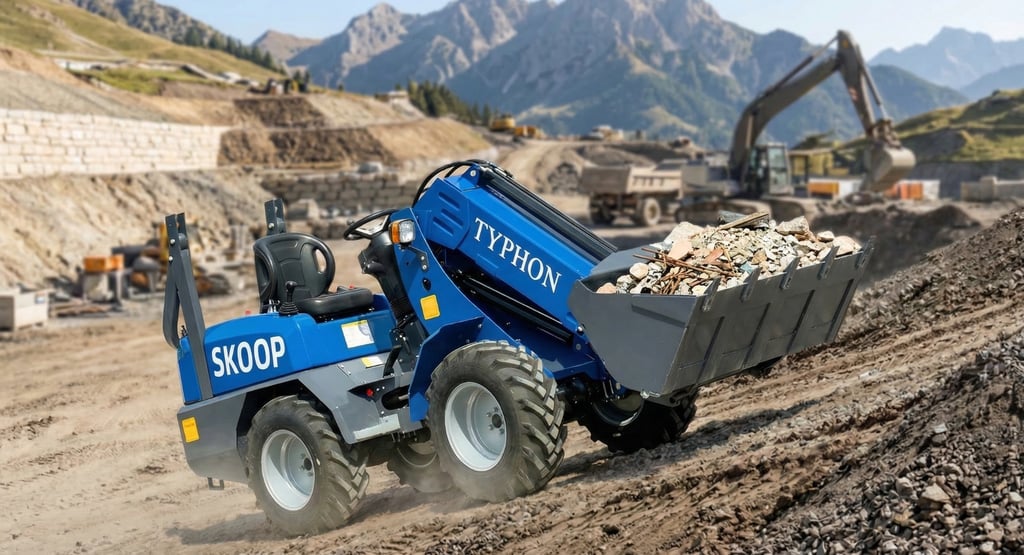
When a wheel loader won’t lift its bucket, everything on your job site can come to a sudden stop. These machines rely heavily on hydraulic system power to handle lifting, loading, and material movement. Once that hydraulic pressure drops or fails, your productivity takes a hit, and project delays quickly follow.
Wheel loader hydraulic problems are more common than many operators expect, especially in tough working conditions. Issues like low hydraulic fluid, contamination, worn-out pumps, or leaking cylinders can all reduce lifting performance. If not handled early, these problems can lead to costly repairs and extended downtime for your heavy equipment.
Understanding the root cause of hydraulic system failure is key to getting your machine back up and running safely. A proactive approach to heavy equipment maintenance not only improves performance but also helps extend the lifespan of your machinery. Regular inspections and early troubleshooting can prevent small issues from turning into major breakdowns.
In this guide, we’ll cover the most common wheel loader hydraulic issues and how to fix them. You’ll learn how to spot signs of fluid contamination, diagnose weak or failing hydraulic pumps, and identify dangerous cylinder leaks. We’ll also share practical hydraulic troubleshooting tips to help your maintenance team reduce downtime, protect your investment, and keep your fleet operating at full efficiency.
Recognizing Early Signs of System Failure
Hydraulic failures rarely happen without warning. Your equipment will usually display subtle symptoms long before a catastrophic breakdown occurs. Catching these early warning signs saves you from expensive repairs and extensive downtime.
Operators should pay close attention to the machine's cycle times. If the loader arms raise noticeably slower than normal, the system lacks the necessary fluid pressure. A sluggish response when curling the bucket or articulating the steering also points directly to a pressure loss within the main circuit.
Unusual noises serve as another massive red flag. A healthy machine operates with a smooth, consistent hum. If you hear a loud whining, groaning, or grinding noise coming from the pump area, you must shut the machine down immediately. These sounds often indicate that the internal pump components are destroying themselves.
The Threat of Hydraulic Fluid Contamination
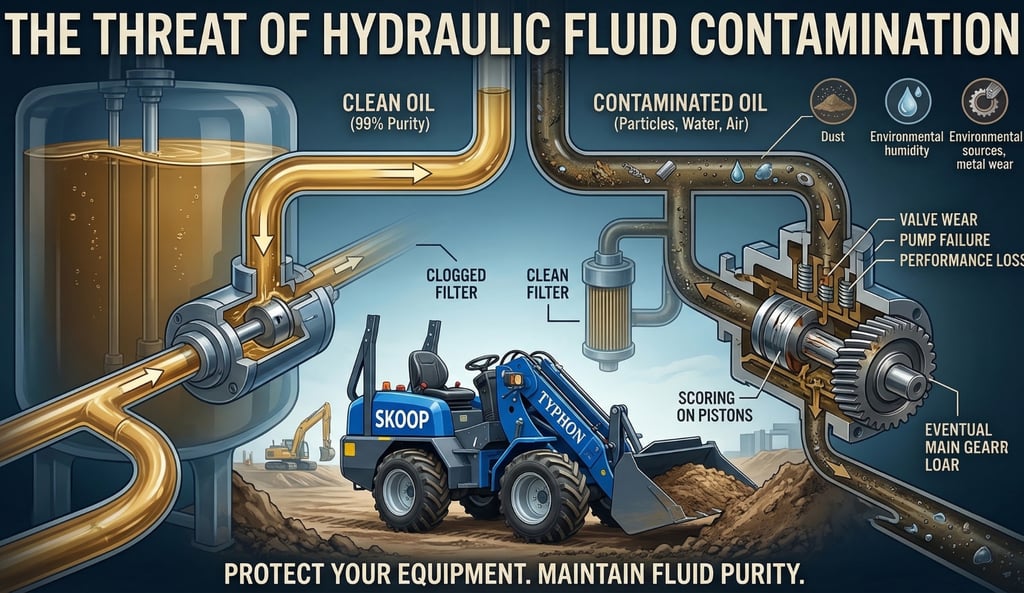
Fluid contamination stands as the single leading cause of wheel loader hydraulic problems. The oil inside your machine does more than just transfer power. It also lubricates the tight internal clearances of your pumps, valves, and cylinders.
Dirt, sand, and metal shavings can easily breach the system through dirty filler caps or degraded cylinder wiper seals. Once inside, this particulate matter acts like liquid sandpaper. It scours the polished internal surfaces of your components, creating massive internal leaks and destroying system efficiency.
Water represents another severe form of contamination. Heavy equipment constantly operates in harsh, wet environments. Condensation can form inside the reservoir during rapid temperature changes, introducing moisture into the oil. Water degrades the chemical additives in your fluid, promotes rust, and drastically reduces the oil's ability to lubricate.
Resolving Contamination Issues Safely
If you pull the dipstick and notice the oil looks milky or cloudy, you have a severe water contamination problem. Dark, gritty oil indicates a high level of particulate contamination. You cannot simply filter out this level of damage.
To resolve heavy contamination, you must drain the entire system completely. Disconnect the lowest lines on your cylinders to ensure no trapped fluid remains. Flush the reservoir, replace all return and pressure filters, and refill the machine with fresh, high-quality fluid.
Preventing contamination requires strict fluid handling protocols. Always wipe down the filler neck and the surrounding area before removing the cap. Store your bulk oil drums indoors or under a tight cover to prevent rainwater from pooling on the lids.
Diagnosing and Fixing Hydraulic Leaks
A visible puddle of fluid under your machine demands immediate attention. Fixing hydraulic leaks promptly protects the environment, reduces massive fluid replacement costs, and prevents sudden mechanical failures. Leaks can occur anywhere in the circuit, but they most commonly affect hoses, fittings, and main lift cylinders.
Rubber hoses degrade naturally over time due to extreme heat and constant pressure spikes. Constant vibration causes hoses to rub against the steel frame, wearing down the protective outer jacket. Once the steel wire reinforcement becomes exposed, the hose will eventually burst under pressure.
Cylinder leaks usually stem from worn rod seals. As the chrome cylinder rod extends and retracts through abrasive job site dust, the tough wiper seal eventually degrades. Once the wiper fails, dirt enters the cylinder and destroys the primary pressure seal, allowing fluid to pour down the side of the rod.
Safe Procedures for Repairing Leaks
Safety must remain your highest priority when fixing hydraulic leaks. Never use your bare hand to search for the source of a leak on a running machine. High-pressure fluid can easily pierce your skin, causing a highly toxic, life-threatening injection injury.
Instead, use a piece of cardboard or wood to trace the path of the fluid. Once you locate the failing hose or worn fitting, shut the engine off immediately. Cycle the loader controls back and forth several times to relieve any trapped pressure inside the lines before you reach for a wrench.
Replace degraded hoses entirely rather than attempting temporary patches. When installing new fittings, always use the correct torque specifications provided by the manufacturer. Over-tightening a fitting will crush the delicate O-ring inside, instantly creating a brand-new leak.
Dealing with Hydraulic Pump Failures
The pump serves as the beating heart of your wheel loader. It draws fluid from the reservoir and pushes it forcefully into the control valves. When the pump fails, the entire machine loses its ability to perform any heavy lifting.
Cavitation is a primary destroyer of heavy-duty pumps. This occurs when the pump cannot draw enough fluid from the reservoir, creating a massive vacuum. This vacuum forms tiny vapor bubbles that implode violently against the internal metal components, tearing chunks of metal away from the pump housing.
Aeration produces similar damage but happens when air enters the suction line through a loose clamp or a pinhole leak. You can usually identify aeration by checking the reservoir. If the fluid surface is covered in a thick, foamy lather, air is actively entering your system.
Pump Maintenance and Replacement
Proper hydraulic system troubleshooting requires isolating the pump from the rest of the circuit. A certified technician can attach a portable flow meter to the pump's output line to measure its exact performance under load. If the pump fails to meet the manufacturer's flow specifications, you must remove it for service.
Depending on the extent of the damage, you may choose to rebuild the pump using a manufacturer's seal kit. However, if cavitation has heavily scored the internal housing, a complete replacement remains your most reliable option. Installing a new pump restores maximum breakout force and ensures your machine operates dependably.
Always check your suction lines and verify your fluid levels before installing a new pump. If you do not resolve the original restriction that caused the cavitation, your brand-new pump will destroy itself during its very first shift.
The Importance of Routine Preventive Maintenance
The best way to handle wheel loader hydraulic problems is to prevent them from happening in the first place. A strict preventative maintenance schedule guarantees your equipment remains reliable, powerful, and ready for work.
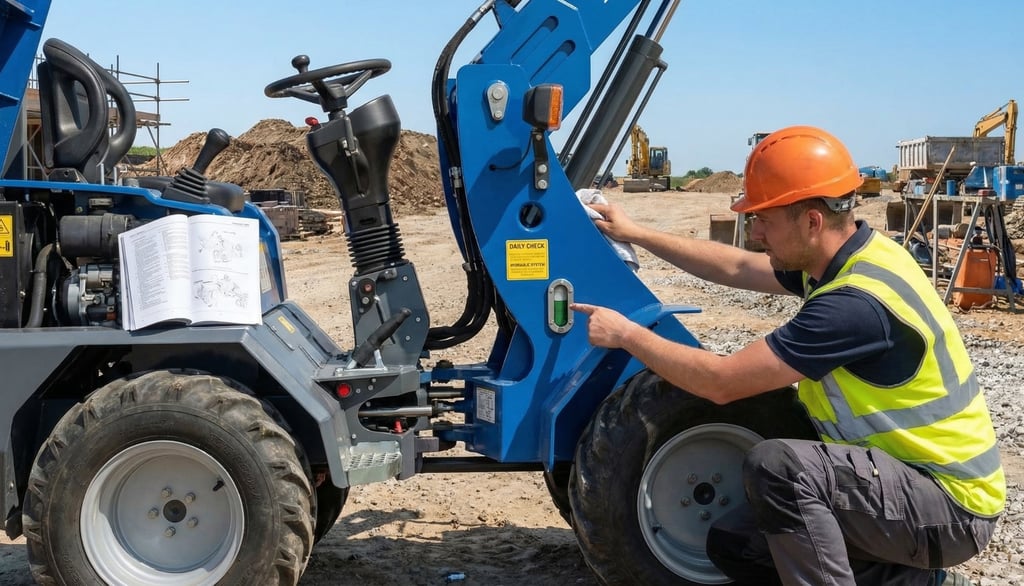
Require your operators to perform a comprehensive daily walk-around inspection before starting the engine. They should check the fluid sight glass, look for fresh puddles beneath the articulation joint, and inspect the main lift cylinders for weeping seals. Catching a loose fitting on a Monday morning prevents a blown hose on a Wednesday afternoon.
Follow your service manual strictly regarding filter replacements and fluid intervals. Oil loses its protective additives and viscosity over thousands of operating hours. Consistently providing your machine with fresh fluid and clean filters is the cheapest, most effective way to maximize the lifespan of your heavy equipment.
Conclusion
Wheel loader hydraulic problems can quickly reduce job site productivity and create serious safety risks if ignored. Issues like fluid contamination, failing hydraulic pumps, and cylinder leaks may seem minor at first, but they can lead to major breakdowns and costly downtime. By identifying these problems early and applying the right hydraulic system troubleshooting steps, you can maintain strong equipment performance and keep operations running smoothly.
The key to reliability is proactive heavy equipment maintenance. Train your operators to spot early warning signs such as pressure loss, slow lifting, or unusual pump noise. Quick reporting and regular communication with your maintenance team can prevent small issues from becoming expensive repairs.
Make routine inspections part of your workflow. Regularly check hydraulic hoses, cylinders, seals, and fluid levels to catch wear, leaks, or contamination early. Proper hydraulic fluid management and timely part replacement will also help extend the lifespan of your wheel loaders.
By staying consistent with maintenance and acting quickly when problems arise, you can protect your investment, reduce downtime, and ensure your equipment delivers reliable performance on every job site.
TinyExcavator
Find mini excavator suppliers with reasonable prices and variety.
TYPHON Machinery Offices
2522 S Malt Ave. Commerce, CA 90040 United States
© 2025. All rights reserved.