10% Off Retail prices for our premium value mini excavators

Best Loading Techniques to Reduce Cycle Time
Discover expert loader cycle time tips to minimize wasted motion, optimize bucket entry, and maximize your material handling efficiency on any jobsite.
5/12/20266 min read
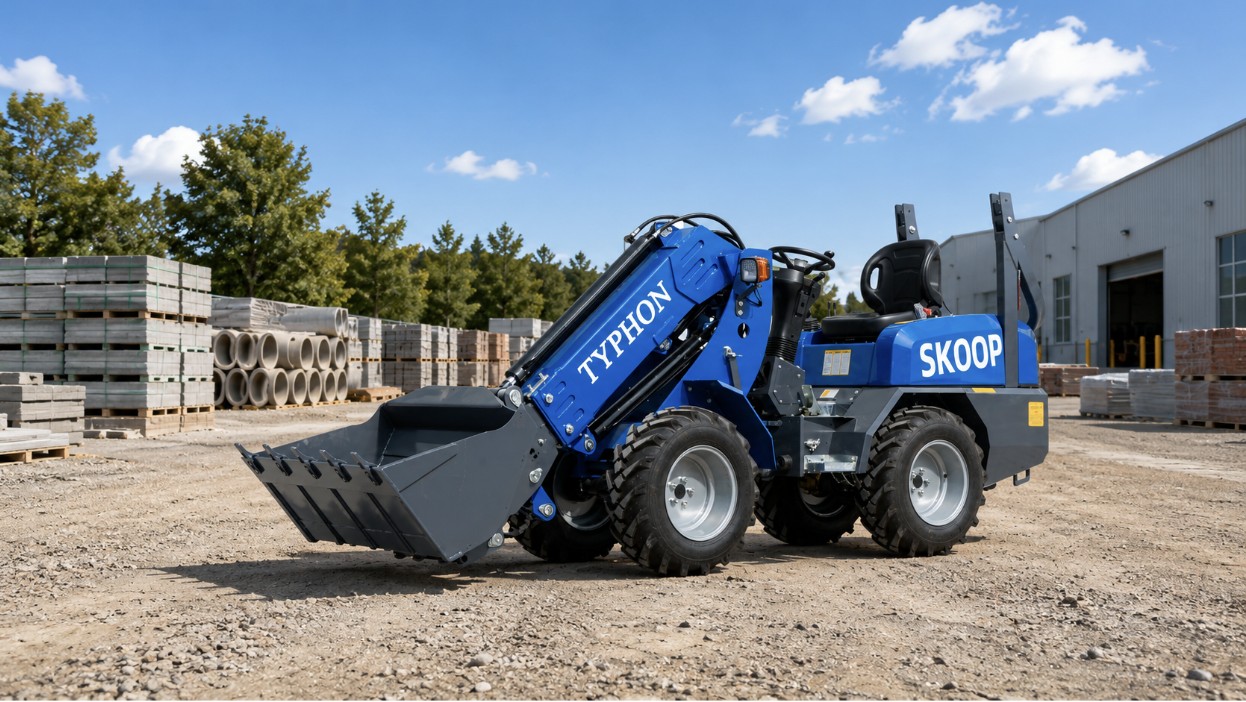
Every single second counts when you manage a heavy material handling operation. When your wheel loaders waste time during a standard loading cycle, those lost seconds compound into massive production deficits by the end of the shift. We understand that your business profitability relies entirely on running a flawless, highly efficient jobsite. To protect your bottom line, you must equip your operators with the knowledge to eliminate wasted motion and maximize their daily output. Heavy machinery represents a significant capital investment, and getting the highest possible return on that investment requires absolute operational discipline.
This guide explores the specific driving mechanics and strategic decisions that create a perfect, highly efficient loading pass. You will learn exactly how to approach a material pile, capture a maximum payload smoothly, and deposit that material without hesitation. By implementing these proven loader cycle time tips, you will immediately accelerate your material handling speed, lower your daily fuel consumption, and increase your overall operational revenue. We believe that informed contractors make the most profitable decisions, and mastering these foundational techniques provides a massive advantage over your competition.
Perfecting the Operator Approach Angle
The foundation of a rapid loading cycle begins long before the bucket ever touches the aggregate material. How your operator physically positions the machine dictates the efficiency of the entire pass. Driving aimlessly toward a massive stockpile forces the operator to make chaotic steering corrections at the very last second, completely robbing the machine of its necessary forward momentum. We highly recommend utilizing a tight V-pattern or Y-pattern approach whenever spatial limitations allow. These proven driving patterns keep the wheel loader positioned at a sharp, forty-five-degree angle relative to the commercial dump truck or the receiving hopper.
Maintaining this precise geometric approach drastically reduces the total distance the heavy machine must travel to complete a standard cycle. Your operator only needs to drive forward into the pile, reverse in a perfectly straight line, and pivot slightly forward to reach the ultimate target. This calculated driving geometry minimizes exhausting steering wheel inputs and prevents the machine from traveling unnecessary distances across the active staging yard. By training your dedicated team to plan their approach angle meticulously, you eliminate wasted motion and shave critical seconds off every single pass.
Executing a Smooth Bucket Entry
Ramming a heavy machine violently into a highly compacted stockpile damages your equipment and actively slows down your daily production. Operators often believe that massive driving speed translates directly into better loading force, but excessive velocity simply causes the tires to spin helplessly against the dense aggregate. This aggressive habit shreds expensive commercial rubber tires and stalls the forward momentum of the entire machine. To achieve maximum operational efficiency, operators must approach the pile smoothly, using low-gear engine torque rather than high-gear speed to penetrate the stubborn material.
As the machine approaches the material pile, the operator should carefully lower the bucket until it hovers just an inch above the ground, keeping the steel floor perfectly level. This parallel alignment allows the heavy cutting edge to slice cleanly into the absolute bottom of the stockpile with minimal physical resistance. Applying steady, continuous engine throttle ensures the machine uses its massive operating weight and traction to push deep into the heavy aggregate. A smooth, highly controlled entry protects your expensive heavy equipment from devastating impact shocks and sets the perfect stage for a flawlessly executed lift.
Mastering Proper Lift and Curl Timing
Penetrating the material pile is only the first step of the process; capturing the heavy payload requires perfect synchronization of the machine's primary hydraulic systems. Inexperienced operators often drive deep into the pile and then suddenly attempt to curl the bucket upward, causing the hydraulics to stall under immense physical pressure. This disjointed, choppy movement forces the operator to back up, reposition the machine, and try again, severely inflating the total cycle time. We know that your commercial facility requires absolute precision, and mastering the specific timing of the lift and curl functions is absolutely essential.
The most effective material loading technique requires the operator to begin lifting and curling the bucket simultaneously while the machine is still actively driving forward. As the steel cutting edge bites deeply into the material, the operator applies upward hydraulic pressure, forcing the heavy aggregate to roll backward securely into the rear of the bucket. This fluid, continuous lifting motion uses the machine's forward momentum to help push the material upward, preventing a frustrating hydraulic stall and ensuring a massive, heaped payload. By harmonizing these physical movements, your team captures maximum volume instantly, completely eliminating the need to take a secondary pass at the pile.
Optimizing Target Dump Placement
Once the bucket is completely full of material, the operational focus immediately shifts to transferring that aggregate to the waiting transport vehicle as quickly and safely as possible. A slow, overly hesitant dumping process ruins an otherwise perfect loading cycle. Operators must align their driving approach so that the wheel loader arrives at the side of the dump truck precisely as the bucket reaches the necessary vertical clearance height. Waiting until the heavy machine completely stops moving before raising the boom wastes valuable seconds and forces the commercial transport driver to sit idle unnecessarily.
Accurate dump placement also prevents costly material spillage and highly dangerous vehicle overloading. The operator should always aim to deposit the first bucket of heavy aggregate gently into the direct center of the truck bed, creating a secure cushion for the remaining passes. For all subsequent passes, the operator must evenly distribute the aggregate from the front wall to the rear tailgate of the bed. This methodical, careful placement ensures the transport vehicle remains perfectly balanced for high-speed highway travel while allowing the loader to complete the transfer phase without any hesitation.
Strategic Return Path Planning
A standard loading cycle does not officially end until the wheel loader is positioned safely back at the material pile, fully prepared for the next aggressive pass. The return path must be just as calculated and highly efficient as the initial approach. Reversing slowly or taking a wide, looping path back to the main stockpile drains your daily productivity and burns excess diesel fuel. Operators must immediately begin lowering the empty bucket while actively reversing away from the transport vehicle, fully preparing the machine for the next strike before it even reaches the edge of the pile.
We heavily emphasize the critical importance of keeping the staging yard completely clean and free of hidden obstacles to facilitate this rapid return path. A cluttered, messy work zone forces your operators to navigate around stray debris or parked equipment, adding unnecessary and dangerous steering maneuvers to every single cycle. Facility managers must maintain a pristine loading area to ensure the wheel loader can always travel in straight, unobstructed geometric lines. Strategic return path planning guarantees that your equipment maintains a relentless, highly profitable rhythm throughout the entire working shift.
Eliminating Wasted Motion Across the Jobsite
The ultimate secret to unlocking maximum material handling speed is the complete, permanent eradication of wasted motion. Every single action the operator takes inside the cab should serve a specific, highly productive purpose. Unnecessary gear shifting, excessive heavy braking, and frantic over-steering all contribute directly to a sluggish, highly inefficient operation that drains your working capital. By implementing these expert loader cycle time tips, you empower your entire workforce to operate with surgical precision and exceptional professional confidence.
We strongly encourage facility managers to observe their loading operations closely and actively identify any repetitive, frustrating delays. You must ask critical questions about your layout, such as whether the transport trucks are parking too far away from the material pile, or if the staging area is simply too narrow for a proper V-pattern approach. Making minor logistical adjustments to the physical layout of your jobsite very often yields massive improvements in overall cycle speed. When you combine expert operator driving techniques with a highly optimized working environment, your material handling capabilities will completely outpace your local competition.
Conclusion
Securing total efficiency in your commercial material handling operation requires a deep, unwavering commitment to technical excellence and continuous operator training. You simply cannot afford to let sloppy driving habits or highly disorganized staging areas compromise your daily revenue generation. By fully mastering the exact mechanics of the approach pattern, the smooth bucket entry, and the strategic dumping phase, you transform your standard wheel loaders into unstoppable, highly profitable production assets.
We encourage you to share these proven loading techniques with your dedicated crew and actively challenge them to refine their daily driving habits. Invest valuable time in evaluating your current jobsite layout, prioritize smooth hydraulic control over reckless machine speed, and fiercely eliminate every single ounce of wasted motion. Equip your dedicated team with the comprehensive knowledge they need to succeed, and secure the reliable, lightning-fast material handling performance your commercial business demands.
TinyExcavator
Find mini excavator suppliers with reasonable prices and variety.
TYPHON Machinery Offices
2522 S Malt Ave. Commerce, CA 90040 United States
© 2025. All rights reserved.